
SWAYAM MOOCs, OERs, Multimedia Creative Content, ICT-Compatible Pedagogy and NEP 2020
The conference is honoured to be guided by its Chief Patrons, who lend their vision and support to this national endeavour.
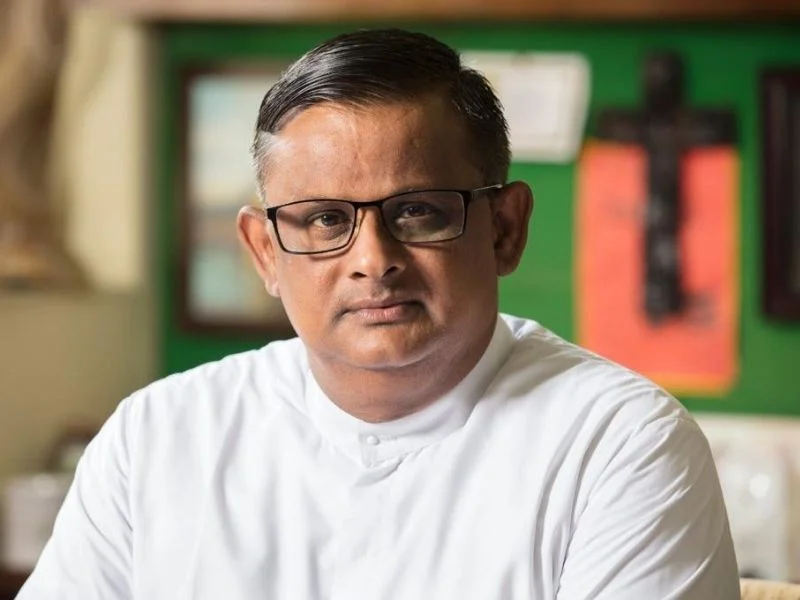
Principal St. Xavier's College (Autonomous), Kolkata
Director Consortium for Educational Communication (CEC), New Delhi
Everything you need to know about taking part in this national conference.
Participate on campus in Kolkata or join online from anywhere across India and abroad.
Learn more
SWAYAM MOOCs, OERs, multimedia creative content, pedagogy and NEP 2020.
Learn more
Submit original research, case studies and best practices related to the conference focus.
Learn more
Fee structure for faculty, research scholars and students with tiered participation options.
Learn more
Keynote, plenary and technical sessions across two comprehensive conference days.
Learn more
Selected papers considered for publication after rigorous peer review and editorial assessment.
Learn moreThis two-day national conference brings together educators, researchers, policymakers, designers, media professionals and students to deliberate on the opportunities and challenges in unlocking and enriching India's digital education ecosystem.
The conference explores how SWAYAM MOOCs, OERs, multimedia creative content, ICT-compatible pedagogy and NEP 2020 can contribute to the digital education landscape of India — in hybrid mode, so participants can join on campus or online.
Technology has transformed every sector, and education is no exception. Integration of technology in higher education enriches teaching-learning and expands opportunities through digital education, truly opening education for all.
This conference is organised by St. Xavier's College (Autonomous), Kolkata and EMRC, Kolkata in collaboration with CEC, New Delhi— bringing together educational multimedia expertise and academic excellence.
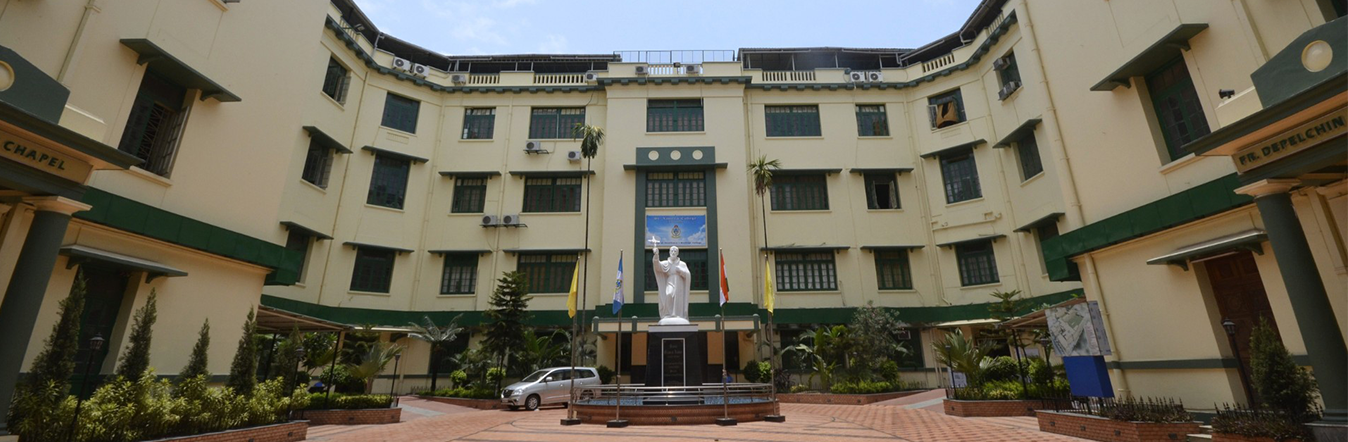
Founded in 1860 by the Society of Jesus and affiliated to the University of Calcutta since 1862, St. Xavier’s College is one of India’s leading Jesuit higher-education institutions. An autonomous college since 2006, it offers undergraduate, postgraduate and doctoral programmes across the Humanities, Science, Commerce, Business Administration and Education, and is guided by its motto, Nihil Ultra — “Nothing Beyond”.
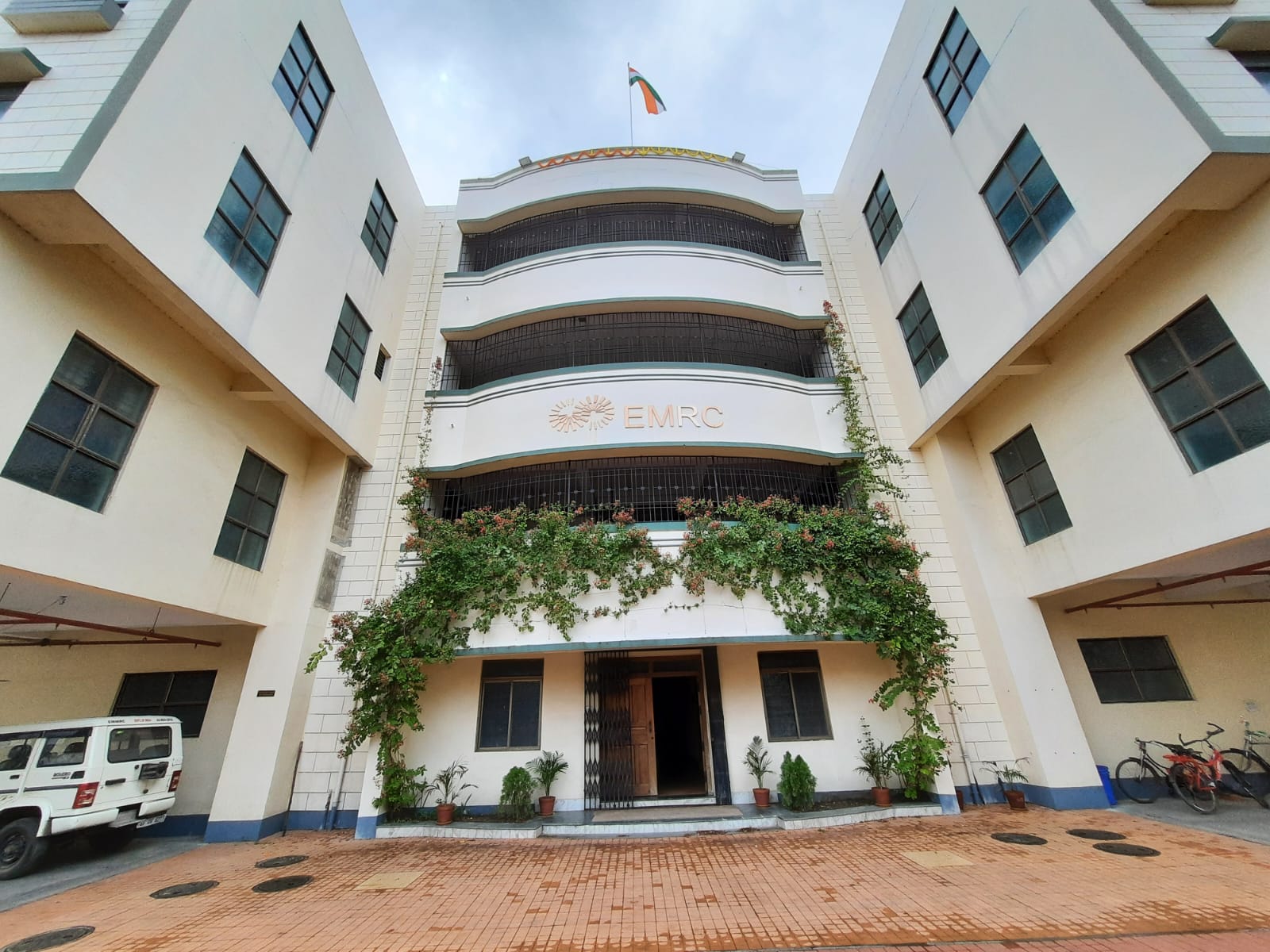
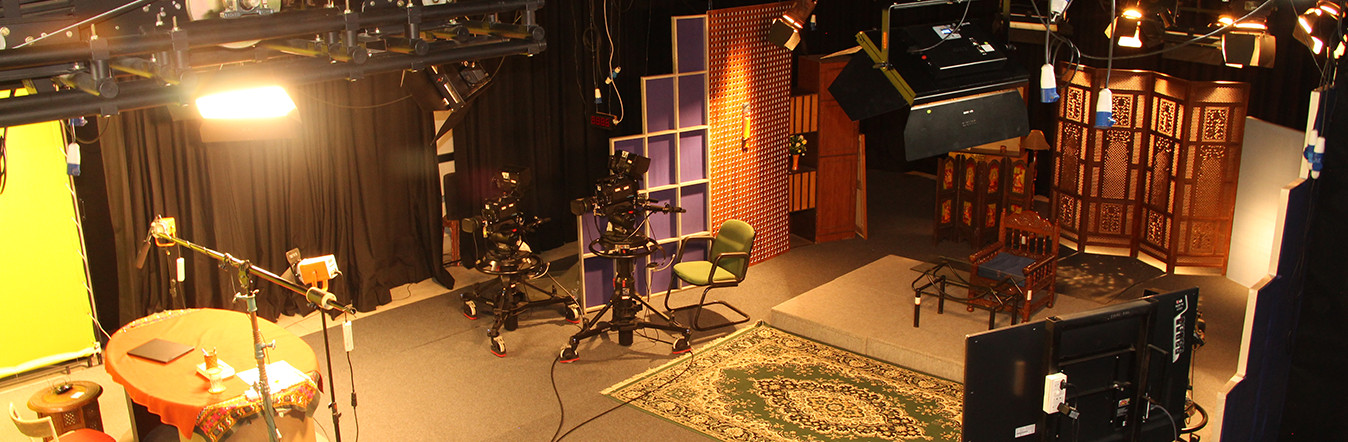
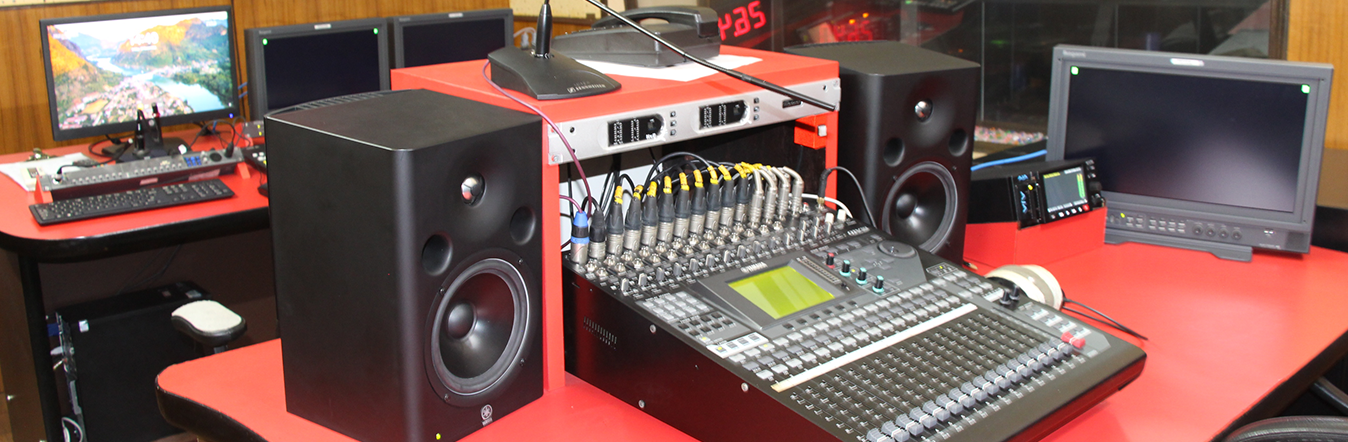
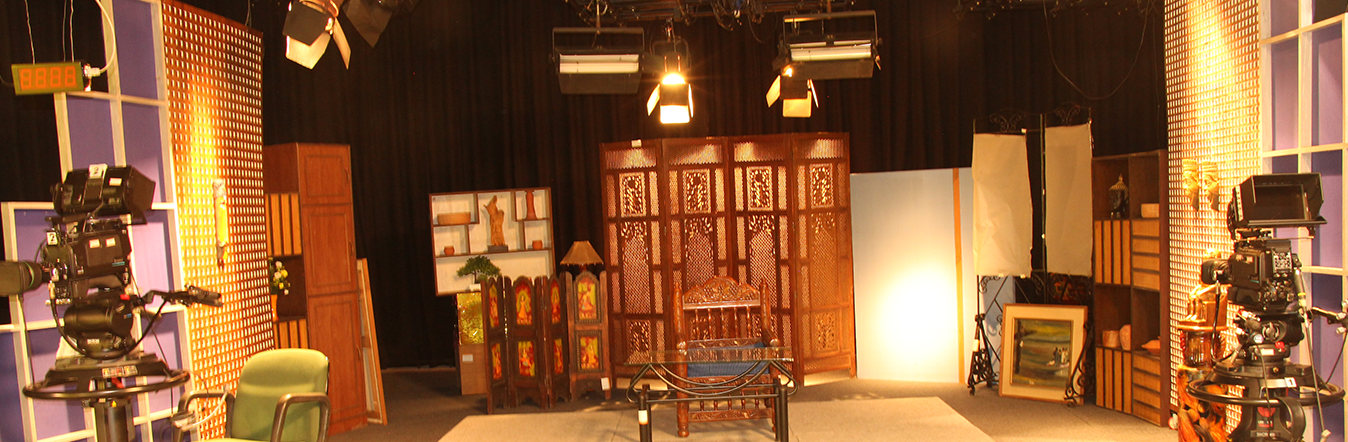
EMRC Kolkata is a UGC media centre under St. Xavier’s College and part of the national network of Educational Multimedia Research Centres coordinated by the Consortium for Educational Communication (CEC), New Delhi. Begun in 1986 as an Audio Visual Research Centre and renamed in 2004, it is the only media centre hosted by an undergraduate college. It produces educational audio-visual and multimedia content, from television and webcasting to e-content, learning-object repositories and MOOCs.
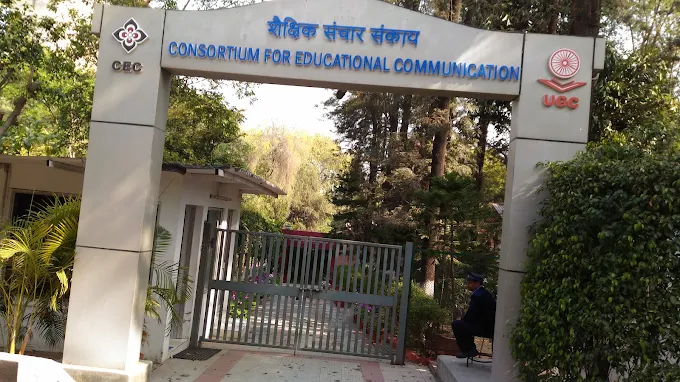
The Consortium for Educational Communication, popularly known as CEC, is one of the Inter University Centres set up by the University Grants Commission of India. It has been established with the goal of addressing the needs of Higher Education through the powerful medium of Television along with appropriate use of emerging Information Communication Technology (ICT).
Realizing the potential and power of television to act as a means of educational knowledge dissemination, UGC started the Countrywide Classroom Programmes in the year 1984. For production of such programmes, Media Centres were set up at 6 Universities. Subsequently CEC emerged in 1993 as a nodal agency to coordinate, guide & facilitate such Educational production at the National level. Today 20 Media Centres work towards achieving this goal under the umbrella of CEC.
The conference explores digital education in India focusing on SWAYAM MOOCs, OERs and NEP 2020 mandates. It covers innovative technology enabled pedagogies, multimedia-enriched MOOCs, online/blended course design and use of AI, ICT and emerging technologies. It also addresses digital divide, inclusion, learner support, Indian Knowledge System, and fosters collaboration among Higher Educational Institutes, Consortium for Educational Communication, Educational Multimedia Research centres for strengthening policies under the ambit of University Grants Commission.
All objectives12 conference themes and 5 sub-theme groups spanning MOOCs, OERs, multimedia, pedagogy, emerging technologies and NEP 2020.
From E-Learning to OERs and MOOCs: Evolution, Development and Future Directions
Expanding Access to Quality Higher Education through OERs and MOOCs: Opportunities, Challenges and Equity
Enhancing the Effectiveness of MOOCs through Learner-Centric, Adaptive and Flexible Learning Approaches
Integrating Digital Education with Formal Education: Blended, Flipped and Flexible Learning Models
Educational Technologies and Artificial Intelligence in MOOCs: Innovation, Effectiveness and Technological Advancement
Reimagining MOOCs: Innovative Formats, Emerging Models and Future Possibilities
This is the indicative programme schedule. Session timings and invited speakers are subject to confirmation by the organising committee.
Keynote speakers, plenary lecturers, invited resource persons and session chairs will be featured here as soon as the organising committee announces them.
Key updates about the call for papers, deadlines and conference programme.
Researchers, teachers, practitioners and scholars are invited to submit original papers, case studies, best practice reports and conceptual contributions on the conference theme and sub-themes.
Submit your extended abstract to epeide@sxccal.edu before the last date. Extended abstracts of 1000-1200 words with 4-6 keywords are invited by 15 November 2026.
Conference speakers and resource persons will be announced soon.